
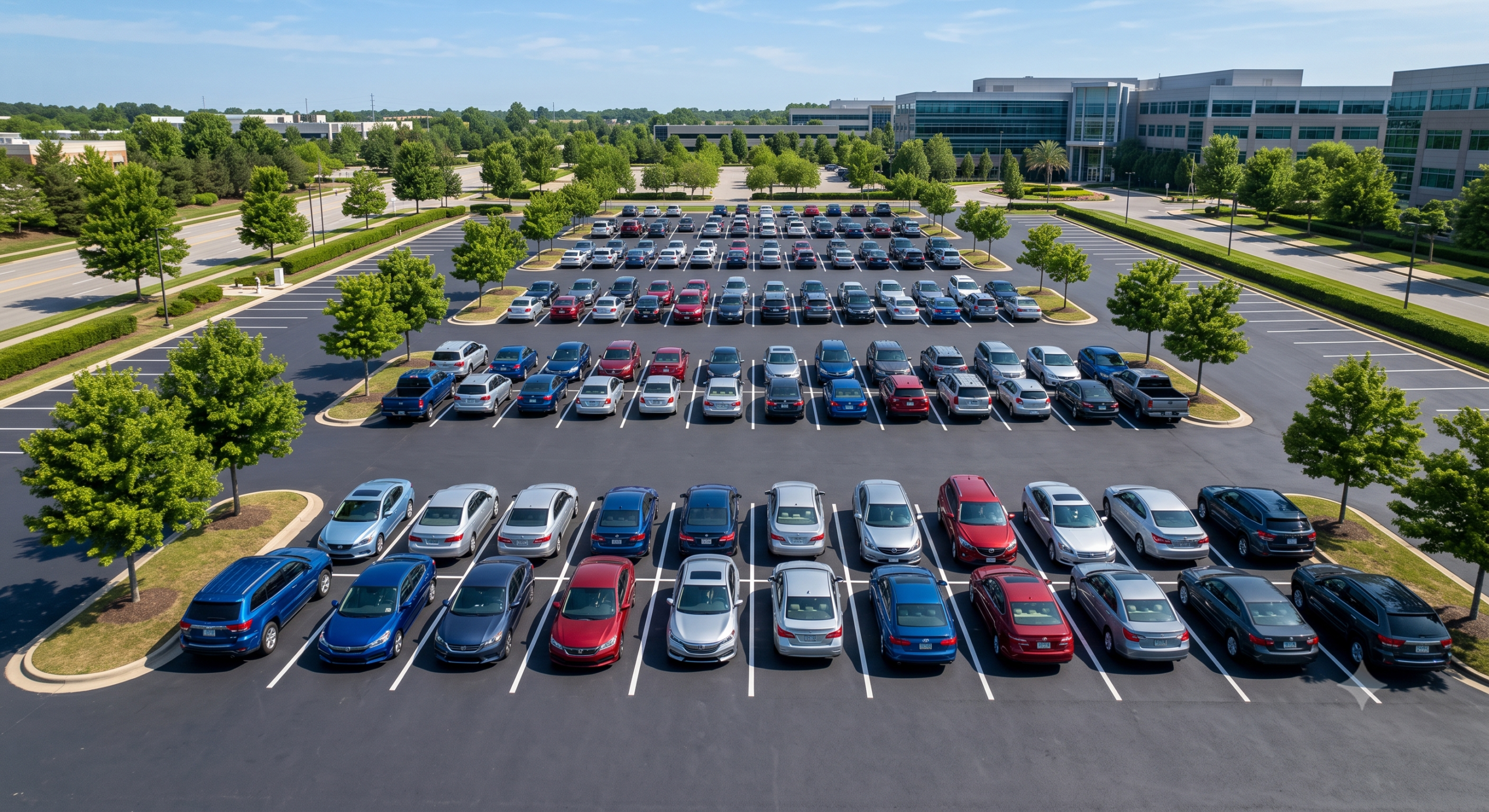
The car rental and fleet management industry has evolved significantly over the last decade. Whether an operator is managing a handful of luxury vehicles, a growing fleet for private rentals, or a large-scale operation dedicated to rideshare drivers, the foundational requirement for success remains the same: meticulous organization. As fleets expand, the traditional methods of manual tracking, spreadsheet updates, and physical logbooks quickly become inefficient and prone to human error.
Today’s fleet managers must oversee a complex web of moving parts. This involves not only knowing the physical location and status of every vehicle but also tracking routine maintenance schedules, monitoring depreciation, and ensuring compliance with local transport regulations. A well-managed fleet operates on the principle of maximum utilization—ensuring that vehicles spend more time on the road generating revenue and less time sitting idle in a lot.
Achieving this level of efficiency typically requires transitioning to digital, centralized management practices. By consolidating data into a single operational hub, managers can gain a bird’s-eye view of their entire inventory. This allows for real-time adjustments, predictive maintenance alerts, and better overall resource allocation. For businesses serving diverse markets, such as offering economy cars for daily commuters alongside specialized vehicles for exotic rentals, maintaining a unified view of operations is the first critical step toward sustainable growth and long-term profitability.
