Why Larger Rideshare Fleets Are Choosing Liability-Only Insurance Instead of Collision

You rent cars to gig drivers. Uber. Lyft. DoorDash. Your cars are cheap. Most cost around $5,000. Some less. So why are you paying full coverage prices to protect them? Here’s the smarter move: skip collision. Keep liability. Let your rental agreement cover the rest. This guide breaks down exactly why – and where liability-only […]
One Accident Can Cost You Everything. Here’s How $21 a Day Protects Your Fleet.
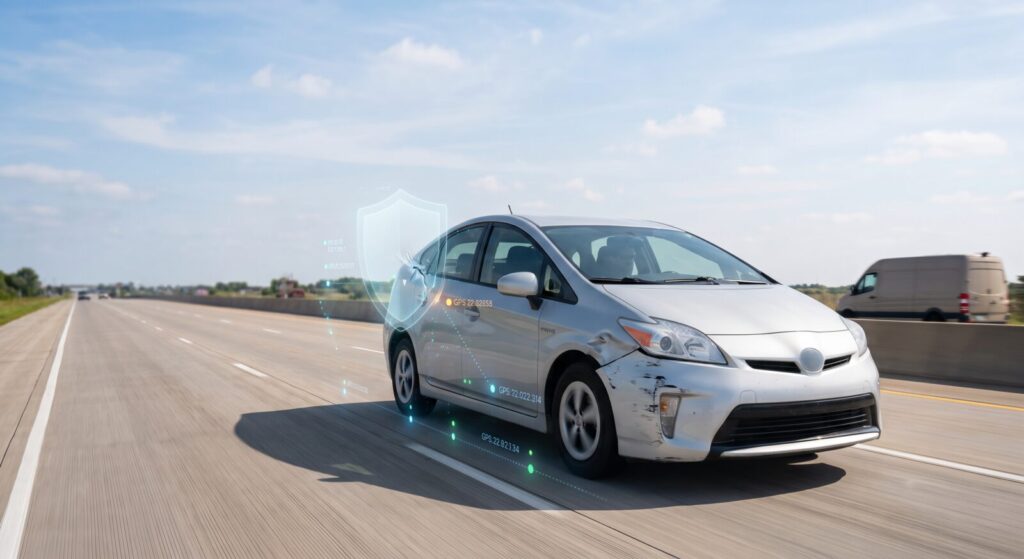
You rent cars to gig drivers. Uber. Lyft. DoorDash. Now think about this: What if your renter hits a BMW worth $100,000? Or worse. What if someone gets hurt? This guide shows you what one crash really costs. And how to make sure the bill never lands on you. Got 20 cars or fewer? SoftCar […]
How to Rent Cars to Uber & Lyft Drivers in 2026: The Complete Rideshare Fleet Guide

Quick Answer: To rent cars to Uber and Lyft drivers, you need four things: (1) fuel-efficient vehicles that meet rideshare platform requirements (typically 4-door, under 15 years old), (2) rideshare-specific rental insurance — personal and standard commercial policies won’t cover it, but per-day rideshare coverage starts around $21/day, (3) a renter screening process that verifies […]
Navigating Risk: Insurance Tracking and Renter Screening for Fleet Operators
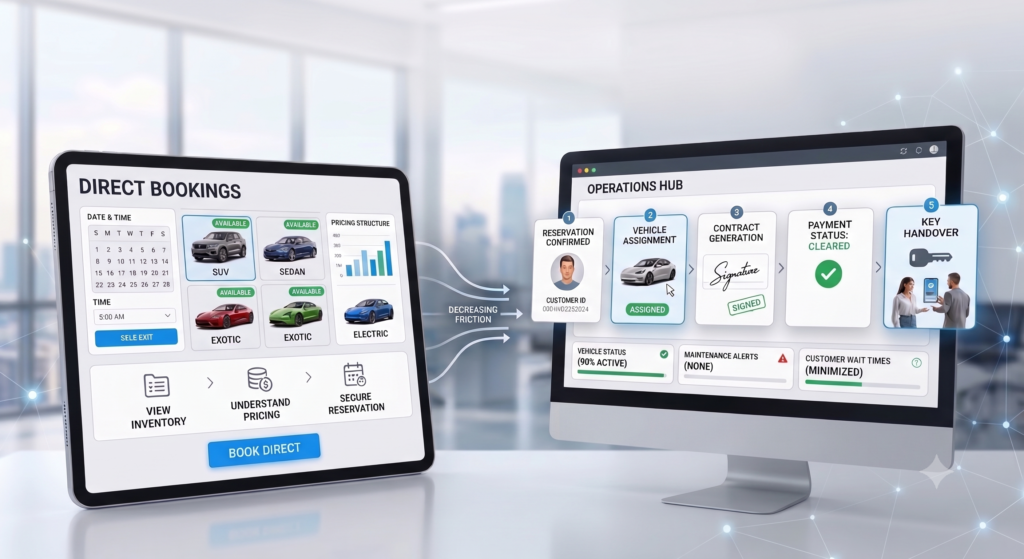
Operating a vehicle fleet inherently involves a substantial amount of financial risk. One of the most significant challenges for any rental business or rideshare fleet provider is effectively managing insurance coverages and mitigating liability. Unlike a personal vehicle, a rental car’s insurance needs fluctuate constantly based on its current status—whether it is sitting in a […]
The Blueprint for Managing a Modern Car Rental Fleet
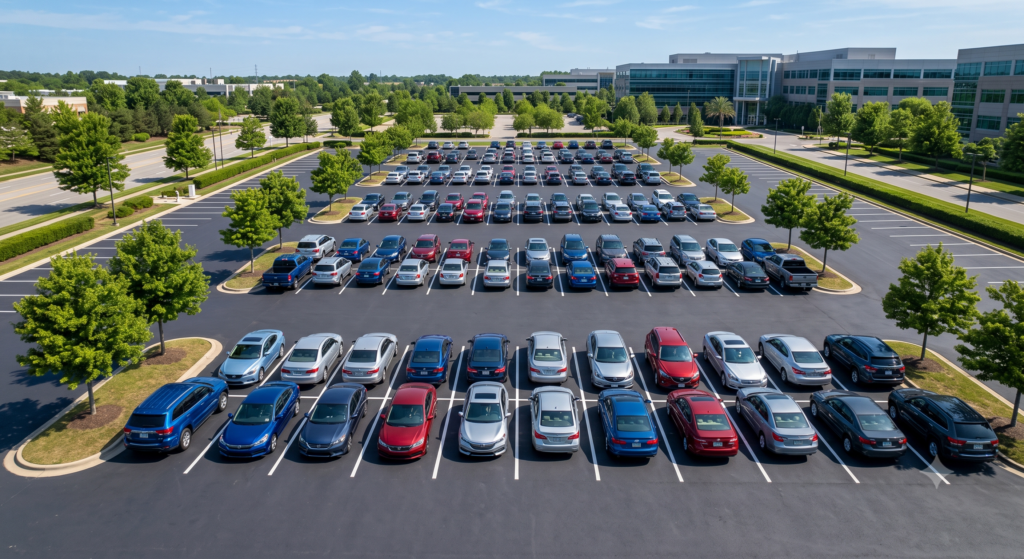
The car rental and fleet management industry has evolved significantly over the last decade. Whether an operator is managing a handful of luxury vehicles, a growing fleet for private rentals, or a large-scale operation dedicated to rideshare drivers, the foundational requirement for success remains the same: meticulous organization. As fleets expand, the traditional methods of […]